Best car drying towels for safer home washes
Which towel type to use for paint, SUVs, budget kits, glass and dirty jobs without pretending we tested specific brands.
Best towel types by job
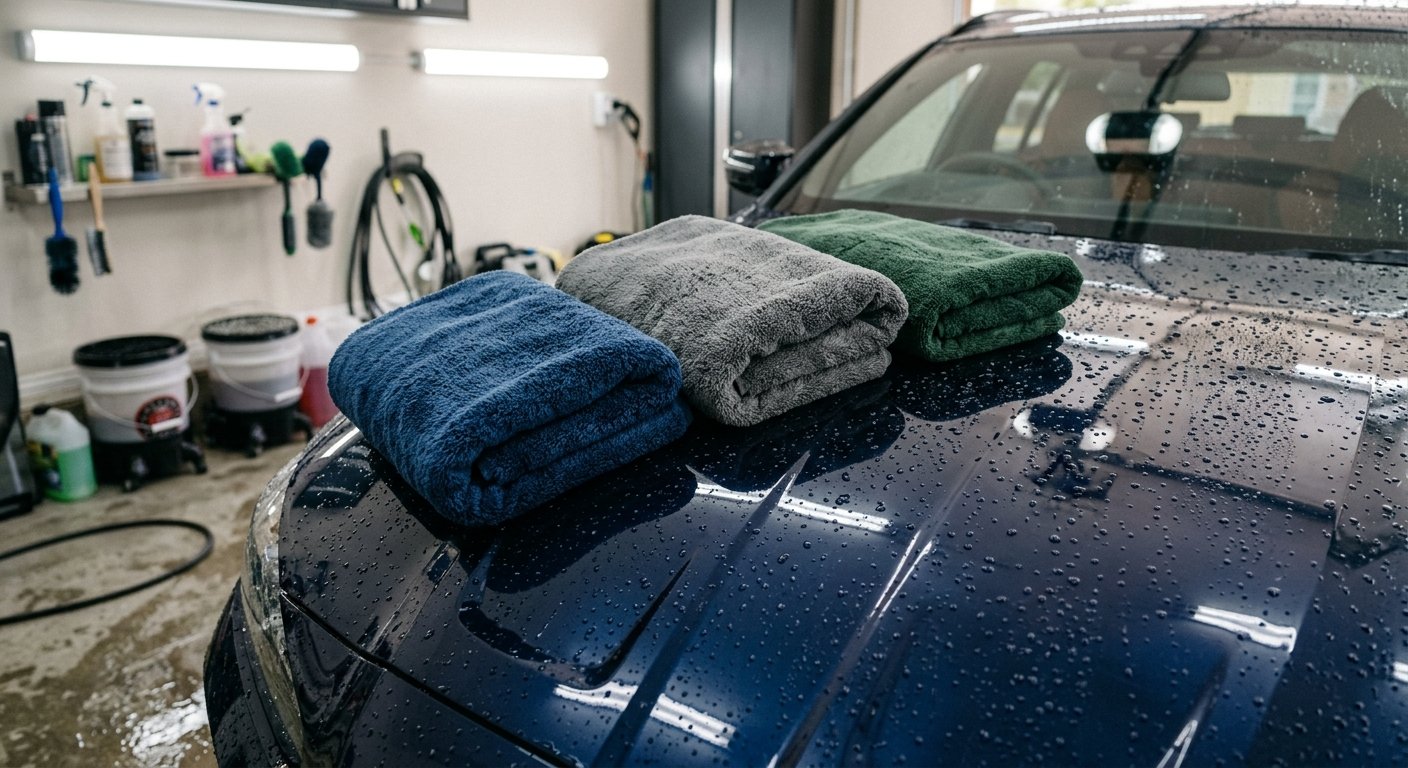
Best overall: a medium-to-large twisted-loop microfiber drying towel. Best for SUVs: a large plush or twisted-loop towel with enough area to finish panels without dragging on the ground. Best budget choice: a smaller multipack of edgeless microfiber towels kept only for paint. Best for glass: a low-pile waffle-weave or dedicated glass microfiber. Best for wheels and dirty jobs: older utility microfiber that never returns to paint.
How to read this Best article
This page recommends towel types and use cases, not individual products. Car Care File has not run controlled absorbency tests across named brands, so it would be misleading to rank specific towels as first, second or third. The safer way to shop is to choose the towel construction that fits the job, then check size, edge finish, washing instructions and how you will store it after the wash.
A drying towel is a paint-contact tool. It can reduce water spots and save time, but it can also move grit across soft clear coat if it is dirty, too small, rough-edged or used after wheel cleaning. The purchase decision should start with the surface. Paint, glass, wheels, door shuts and engine-bay edges should not all share the same towel pile.
Best overall drying towel type
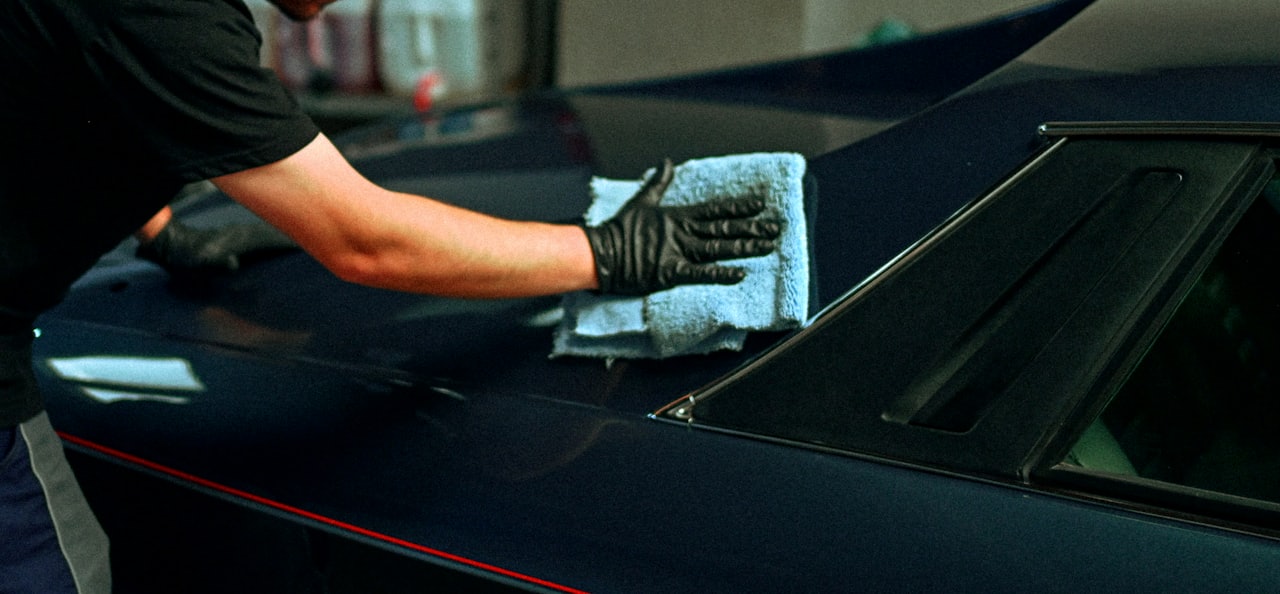
For most home washes, the best overall drying towel type is a twisted-loop microfiber towel in a medium or large size. Twisted-loop fibers usually pick up water quickly without needing heavy pressure, which matters when the towel is moving across paint. A good version should feel soft at the edge, absorb a large panel before becoming saturated and release water well enough to dry between uses.
This is the towel type to consider if you wash a daily driver on a driveway, rinse thoroughly and want one main towel for roof, bonnet, doors and boot. It is not a magic fix for a gritty car. If road film remains after rinsing, use a proper wash method first. A drying towel should collect rinse water, not scrub dirt.
Look for a size you can control with two hands. Extremely large towels can be efficient on flat panels, but they are easy to drop onto the driveway. If you often wash a small hatchback, a slightly smaller towel plus a second backup towel can be safer than one oversized towel that touches the ground.
Best large towel for SUVs
For SUVs, vans and larger estates, choose a large twisted-loop or plush drying towel with enough surface area to handle the roof, glass line and tailgate without repeated wringing. The point is not just absorbency. A larger vehicle forces more reaching, more panel changes and more opportunities for the towel edge to pick up grit from trim, tyres or the ground.
The best SUV towel is large but still manageable. A towel that covers too much area can become heavy when wet and harder to keep folded. A folded towel gives you clean faces to rotate as you move around the vehicle. If you cannot control the towel around mirrors, roof rails and door handles, buy two medium-large towels instead of one blanket-sized towel.
Drivers who wash outdoors should also think about drying time after storage. A thick towel that stays damp in a closed garage cabinet can smell, shed lint or grow mildew. For large vehicles, a second towel may be more useful than simply buying the thickest towel listing.
Best budget microfiber option
The best budget option is not the cheapest bulk pack sold for every household job. For paint, choose an edgeless or soft-edged microfiber multipack and reserve those towels for washed paint only. A smaller towel can work well if you use a drying aid or final rinse technique and swap to a clean towel before the first one is overloaded.
Budget towels make sense for new drivers, apartment parking, winter touch-ups and cars that are already washed carefully. They are less convincing when the towel has stitched edges, stiff labels or a rough tag that can touch paint. If the towel will also clean wheels, exhaust tips or door hinges, it is no longer a paint towel.
A practical budget setup is three groups: one paint towel set, one glass towel set and one utility pile. Mark the utility pile or store it separately. The cost difference is small, but the separation prevents the most common mistake: using a towel that previously touched brake dust on clean paint.
Best towel for glass
Glass usually dries best with a dedicated low-pile microfiber or waffle-weave towel. Thick plush towels can hold water well, but they often leave lint or drag on interior glass. A glass towel should feel flatter, fold neatly and leave the windscreen clear enough that wiper marks, haze and missed edges are easy to see.
Do not use the main paint drying towel on interior glass after it has collected wax, drying aid or sealant residue. That residue can smear at night and in low sun. Keep glass towels clean, dry and away from tyre dressing, interior protectants and greasy trim products. For dash cams and driver-assistance camera areas, wipe gently and avoid soaking mounts or wiring.
Best towel for wheels and dirty jobs
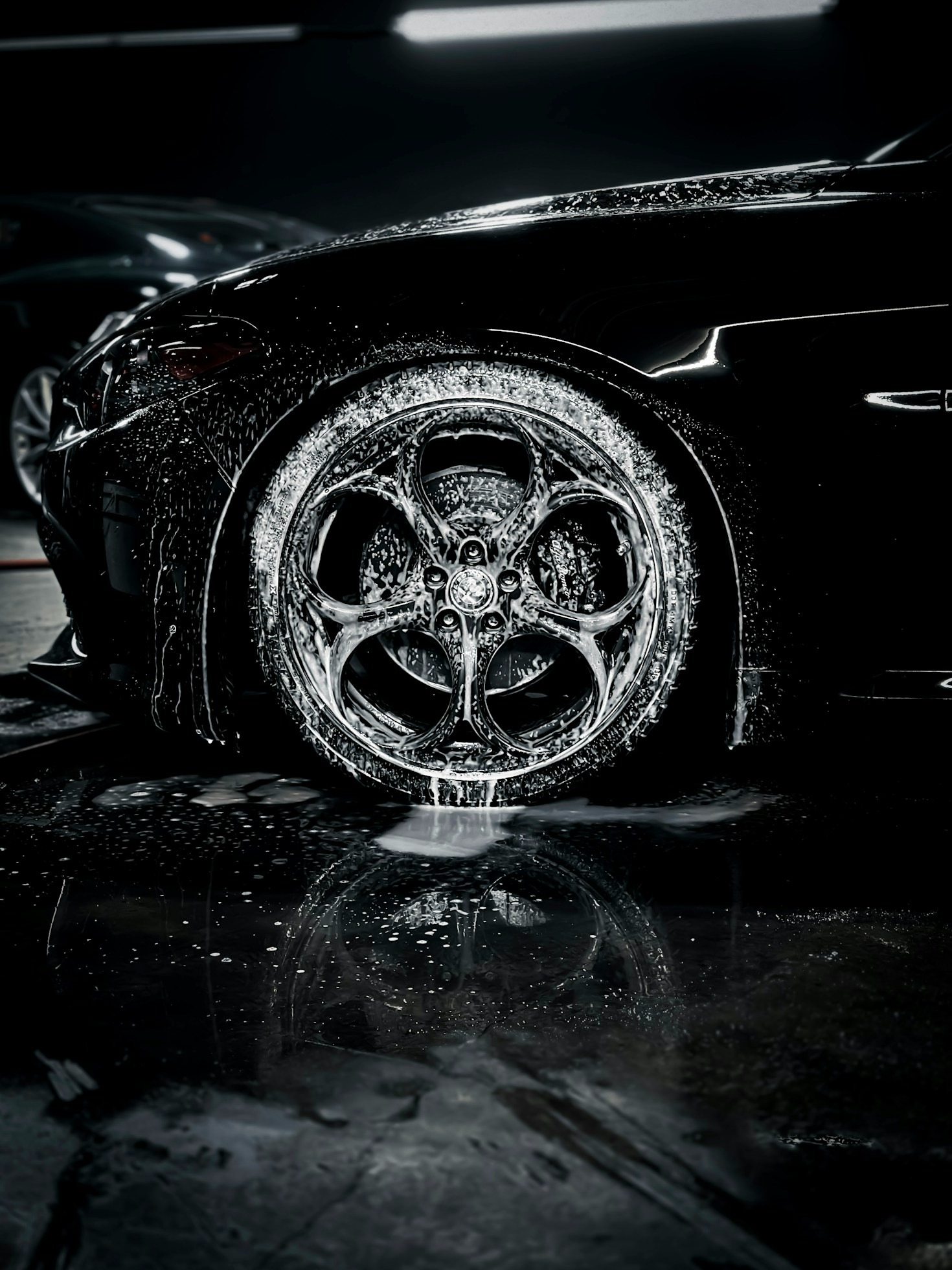
The best towel for wheels, lower sills, exhaust tips and engine-bay edges is an older utility microfiber that has been retired from paint. It does not need to be plush, expensive or visually perfect. It does need to be easy to identify so it never returns to the paint pile.
Wheel towels collect brake dust, iron particles and cleaner residue. Even after washing, they are a risk for soft paint. Keep them in a separate bin or a labelled bag. If a towel has touched tyre dressing, heavy grime, metal polish or degreaser, treat it as a dirty-job towel permanently.
What to avoid
Avoid towels with hard stitched edges, decorative borders, stiff labels or unknown fiber blends. Avoid using bath towels, old T-shirts or household cleaning cloths on paint. Avoid drying a car that has only been lightly sprayed but still carries road grit. Avoid chasing high GSM numbers without checking edge finish, washing instructions and whether the towel becomes too heavy to control.
Also avoid one-towel systems. One towel for paint, glass, wheels and door shuts sounds simple, but it mixes residues and dirt. If you want to spend less, buy fewer towel types and keep them separated. Do not ask one towel to do every job.
Washing and storage routine
Wash paint towels separately from wheel and utility towels. Use a microfiber-safe detergent or a mild liquid detergent without fabric softener. Fabric softener can reduce absorbency and leave residue. Dry on low heat or air dry, then inspect the towel before it goes back into the paint stack.
Storage matters after the towel is clean. Keep drying towels in a closed container, drawer or clean bag so they do not collect garage dust. Do not store them on an open shelf beside sandpaper, garden tools or wheel brushes. If a towel falls on the driveway during drying, stop using it on paint until it has been washed and inspected.
Paint-safe drying checklist
- Rinse the car thoroughly before the towel touches paint.
- Use one clean towel face at a time and refold before it becomes saturated.
- Keep paint, glass and wheel towels in separate storage.
- Remove tags or avoid towels with hard labels near the edge.
- Use light pressure; let the towel absorb water rather than scrub.
- Retire any towel that feels rough, holds grit or leaves lint.
- Wash drying towels after use and dry them fully before storage.
FAQ
Is a twisted-loop towel always better than plush microfiber?
No. Twisted-loop towels are often strong for drying paint quickly, but a soft plush towel can still work well on smaller cars or with a drying aid. Edge finish, cleanliness and control matter as much as pile type.
Can I use one towel for paint and glass?
You can in an emergency, but it is better to keep glass towels separate. Paint towels may carry drying aid, sealant or wax residue that can smear on windscreens.
How many drying towels does a normal car need?
One good main towel can dry a small or medium car if the vehicle is properly washed and rinsed. Larger vehicles are easier with two towels, especially if the roof and tailgate hold a lot of water.
When should a drying towel be retired?
Retire it from paint when it feels rough, leaves lint, smells after washing or has touched wheels, tyre dressing, metal polish or gritty ground. It can still be used for dirty jobs.
Do drying towels scratch paint?
A clean, soft towel used with light pressure should not be the cause of scratches. The risk comes from trapped grit, dirty towel storage, hard edges, dragging the towel on the ground or drying paint that was not washed properly.