Editorial standards
How we file car care recommendations.
Car Care File is built around practical buying criteria. We explain tradeoffs before commission, avoid invented lab scores and keep safety limits visible when products can affect driving, paint, batteries or electronics.
Topic selection
We choose topics from repeat owner jobs rather than from brand press releases. A page should answer a real buying decision: how to dry a car with less marring risk, whether a pump sprayer is enough for a driveway, which tire pressure tools are readable, or what a dash cam buyer should check before ordering. We avoid near-duplicate articles that only swap an adjective or product name.
Each article is assigned a role in the site map. Pillar guides explain a process, buying guides compare features, comparison pieces clarify two similar product types, and maintenance pages define limits. If a topic does not help a driver choose, maintain, store or safely use an item, it does not belong here.
Research workflow
Our workflow starts with the job and the surface involved. For detailing topics, that means paint, glass, trim, fabric, leather, wheel finish or tire sidewall. For maintenance products, that means battery type, tire valve access, vehicle age, weather and storage pattern. We read product labels, owner-facing manuals, retailer specifications, safety context and manufacturer use limitations when they are relevant.
We do not invent bench tests, laboratory data, mechanic approvals, reader testimonials, exact star ratings or long testing hours. If we have not performed a controlled measurement, we do not imply one. When a statement is based on product labels or common maintenance practice rather than a measured test, the article should make that clear.

How recommendations are framed
Car Care File uses decision language instead of fake precision. We may say that a product type is better for a small driveway, easier to store, less suitable for neglected paint, or worth avoiding for a sensitive finish. We do not publish exact product scores unless there is a transparent and repeatable scoring method on the page.
Buying criteria are normally grouped around fit, clarity, surface safety, maintenance burden, storage, replacement cost and value after several uses. A cheaper product can be the better recommendation if it solves the job without extra risk or clutter. A premium product can be the better fit when it materially reduces confusion, replacement friction or surface risk.
Criteria before commission
The buying framework must be written before any affiliate angle is considered.
No invented authority
We do not create mechanic avatars, expert quotes or testimonials to make a page sound proven.
Limits stay visible
If a product has safety, surface or compatibility limits, the limitation belongs near the recommendation.
Updates are allowed
Labels, manuals and availability change, so older pages can be corrected or rewritten.
Affiliate links and conflicts
Some articles may include affiliate links. If a reader clicks and buys, Car Care File may earn a commission at no extra cost to the reader. That possibility does not give an advertiser control over our wording, placement or criticism. Affiliate disclosure belongs near buying content and in the site footer, not hidden on a legal page only.
We may cover product categories that have strong affiliate programmes because the site needs to fund editorial work. That does not mean every advertiser gets recommended. If the article cannot explain why a product category fits a job, it should not be published.
For US disclosure context, we pay attention to the FTC disclosure guidance. The practical rule is simple: readers should not have to guess whether a link may earn commission.
Images, corrections and updates
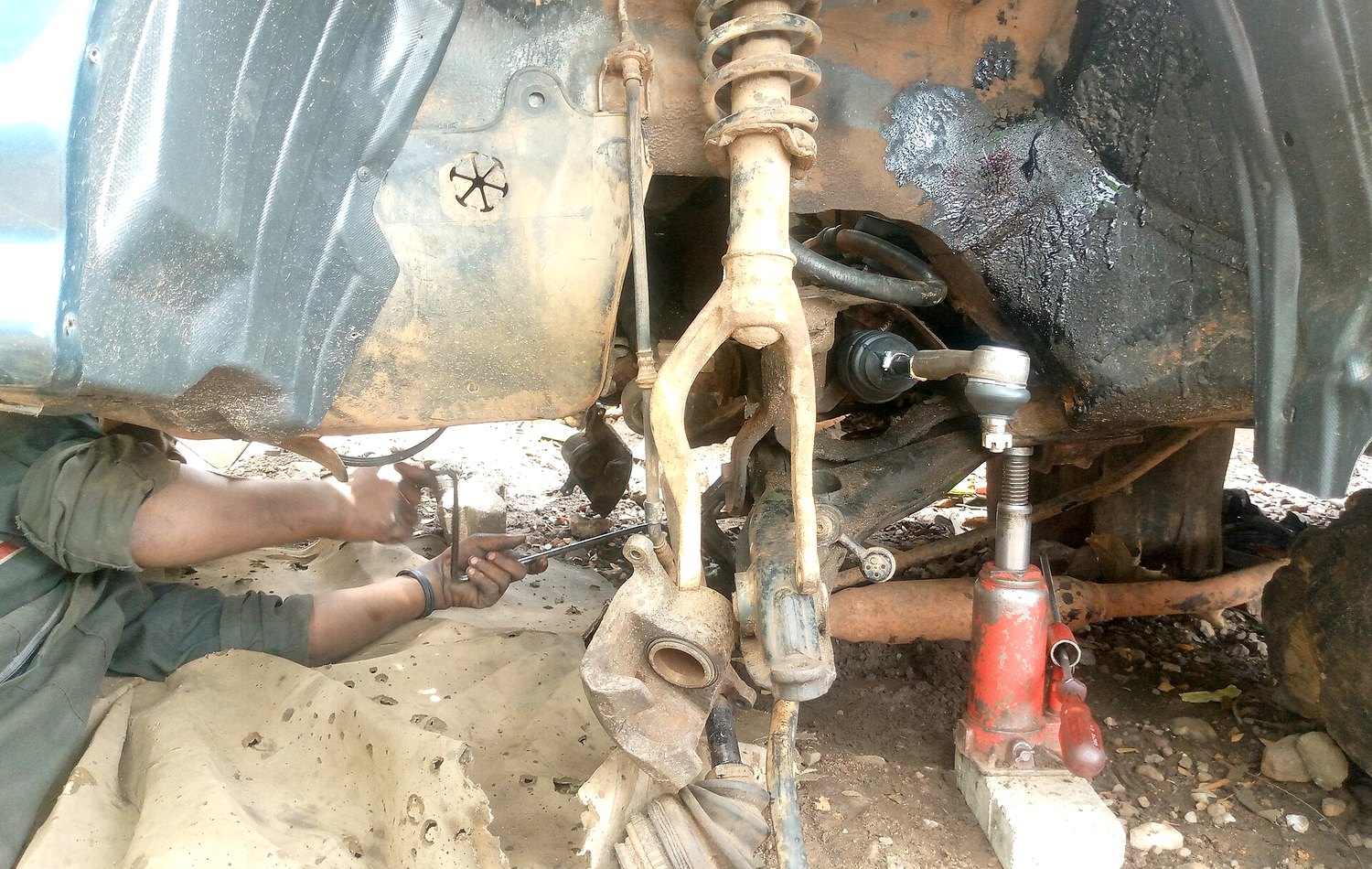
Images are selected to support the topic: garage benches, microfiber, wash foam, paint reflections, tire tools, battery areas and dashboard equipment. We avoid fake brand logos, distorted car badges and images that imply a product was personally tested when it was not. If an image is illustrative, it should be treated as illustrative.
Corrections can be sent to support@carcarefile.com. Useful correction notes include the page URL, the sentence in question and a source or label photo if available. We prioritise corrections that involve safety, compatibility, legal disclosure, broken links, missing image alt text or product-use limits.
Pages are updated when a category changes, when a stronger explanation is needed, when a link breaks, or when a reader points out a factual issue. Update cadence depends on topic risk: a general towel glossary may need less frequent revision than a battery or dash cam guide.
What we will not claim
- We will not claim professional repair advice from unnamed technicians.
- We will not say a product fixes a safety fault without diagnosis.
- We will not copy manufacturer descriptions as our own review language.
- We will not hide paid relationships in body copy.
- We will not create exact test scores without showing the scoring method.
Article structure requirements
A normal buying guide should include a specific intro, a short answer or quick verdict, buying criteria, mistakes to avoid, internal links, relevant outside references where useful, an affiliate disclosure and a practical FAQ. We prefer clear limits over dramatic language. A page about a battery maintainer should mention battery compatibility and storage discipline. A page about scratch remover should explain polish and compound limits before suggesting a product category.
Thin pages are revised instead of being left as placeholders. If a hub page exists in the navigation, it should help readers choose a route, not merely hold a title and a post list.