Interior cleaning kit checklist for daily drivers
A practical cabin kit for crumbs, dust, glass, screens, seat rails and boot mess.
Short answer
Build a small kit with separate towels, a soft brush, glass cloth, crevice tool, interior-safe cleaner and a storage pouch. Add specialty tools only for repeated mess.
How to read this guide
Interior gear needs reach, softness and easy cleanup. Crumbs, dust, pet hair and sunscreen residue behave differently, so a single miracle product is rarely the answer.
A cabin kit should be small enough to keep together and clear enough that another driver can use it without guessing which towel touches glass or screens.
A specialist product can be worth buying when the surface is sensitive or the job repeats often. The mistake is buying a specialist bottle because the shelf looks more professional with it there.
A general product can be enough when the surface is forgiving and the routine is simple. The label still matters, because a normal interior or wheel cleaner can be wrong for screens, raw trim or delicate finishes.
Storage changes the value of a product. A towel that dries properly, a sprayer that can be rinsed and a charger that can be checked easily will get used more safely than gear hidden behind a stack of boxes.
The most useful buying decision is often the one that removes clutter. If two products do the same job, keep the clearer label, safer surface guidance and easier maintenance routine.
Buying criteria
Use these checks before a product earns shelf space.
Job fit
Name the exact job before comparing products or accessories.
Surface safety
Check paint, plastics, screens, leather, rubber and wheels before use.
Storage and shelf life
Avoid products that need storage conditions you cannot provide.
Value after three uses
Ask whether the product still saves time or risk after normal repeated use.
Practical tradeoffs
Mistakes to avoid
- Buying a second product before recording why the first one failed.
- Ignoring the label and using a chemical on the wrong surface.
- Mixing paint towels, wheel towels and interior towels.
- Trusting a marketing claim more than the vehicle manual or product instructions.
Setup and maintenance notes
Cabin kit notes for daily use
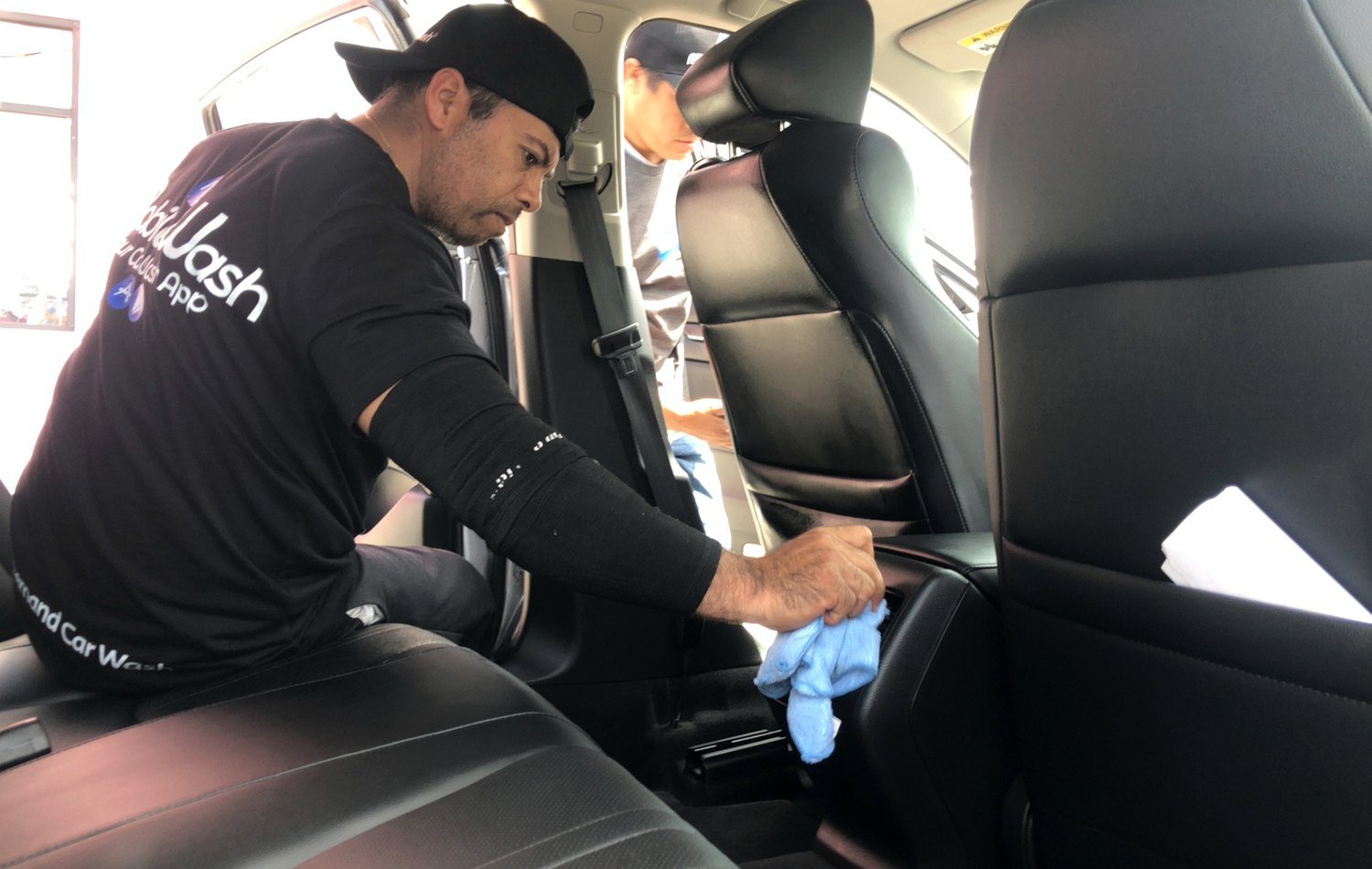
A good interior kit should be small enough to grab in one trip and obvious enough that a second driver can use it without guessing. Use separate cloths for glass, plastics and dirty areas such as pedals or door sills. Keep a soft brush for vents and seams, but do not use the same brush on screens unless the manufacturer says it is safe. Interior plastics, piano-black trim and coated screens can mark quickly when grit is trapped in a towel.
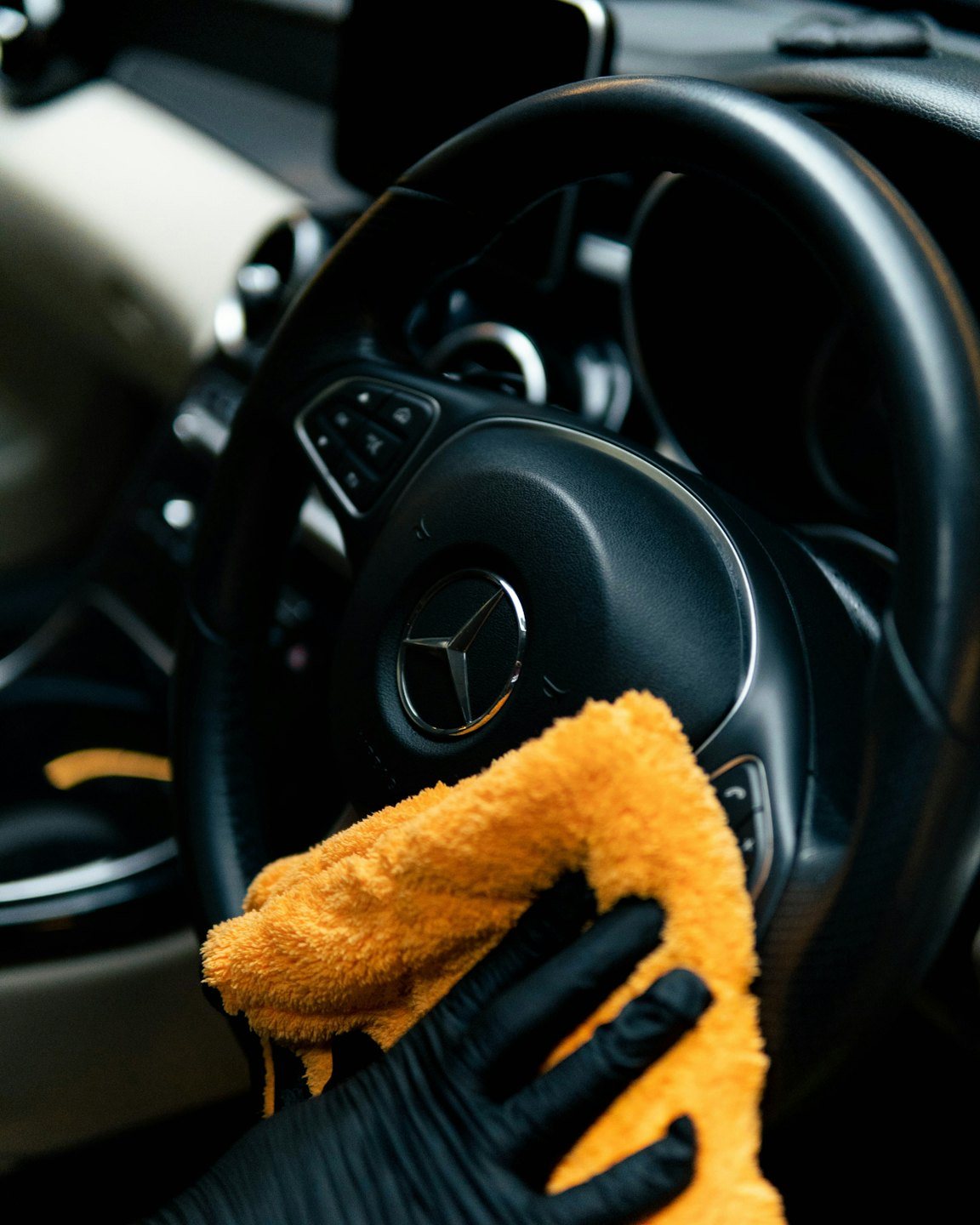
Household cleaners are a common mistake. They may be too strong for touchscreens, steering wheels, leather coatings or anti-glare displays. If a product says it is safe for interiors, still check the label for exclusions. Spray onto the towel rather than directly onto buttons, screens or vents when liquid control matters. Moisture in switches or speaker grilles is a problem that an interior kit should help avoid, not create.
Vacuum attachments matter more than a headline suction claim when the mess lives under seat rails, in boot corners or around child seats. A narrow crevice tool, a soft brush and a way to clean the filter after dusty work can make a smaller vacuum more useful than a bulky one. Store the kit in a pouch or box so towels stay clean and chemicals do not roll around in heat.
Final buying check
The kit should also have a reset routine. After each cleaning session, shake or wash the towels, empty the vacuum, dry brushes, close chemical caps and put everything back in the same pouch. That small habit is what keeps an interior kit ready for a quick Sunday clean instead of turning it into a mixed pile of damp cloths, missing nozzles and half-known bottles.
Useful external references
For disclosure context, read the FTC guidance on endorsements and reviews. For tyre safety context, see NHTSA tire safety information. For maintenance timing context, see the AAA maintenance checklist.
Separating cabin surfaces prevents most mistakes
A useful interior kit keeps glass, screens, plastics, fabric and leather separate. The same towel should not move from a dusty dashboard to inside glass, because residue becomes streaks when the sun hits the windscreen. Keep one low-lint towel for glass, one soft towel for screens and glossy trim, and a more durable towel for door pockets, pedals and boot plastics. Labeling the towels is not fussy if another driver also uses the kit.
Choose chemicals by surface rather than scent. A stronger cleaner may be suitable for rubber mats but too harsh for coated leather or touchscreens. Fabric cleaners need enough dwell time and extraction or blotting; otherwise they can leave rings that look worse after drying. The kit should also include a soft brush, a small detailing brush and a rubbish bag or container, because many interior jobs start with removing debris before any spray bottle is useful.
Surfaces decide the kit
Interior kits fail when one bottle is asked to clean every surface. Screens, piano-black trim, leather, cloth, rubber mats and glass all react differently to moisture and residue. A daily driver needs a safe towel system as much as chemicals: one towel for glass, one for general wipe-downs and a rougher cloth for sills or pedals. Brushes should be soft enough for vents and seams but not so soft that they just spread dust. Buy fewer products, label them clearly and keep anything greasy away from steering wheels and pedals.
FAQ
How should a beginner start?
Start with one job, one surface and one small set of tools. Add products only when you can explain the gap.
Are expensive products always safer?
No. Price does not replace label clarity, surface fit or a careful routine.
Should I trust exact scores?
Only if the scoring method is clearly explained. Car Care File avoids fake precision and explains criteria instead.