Routine checks
Maintenance gear for ordinary owners, not repair theatre.
This hub covers the small products that help drivers notice problems early: tire pressure gauges, inflators, battery maintainers, jump starters, wiper supplies, OBD2 readers and seasonal kits.
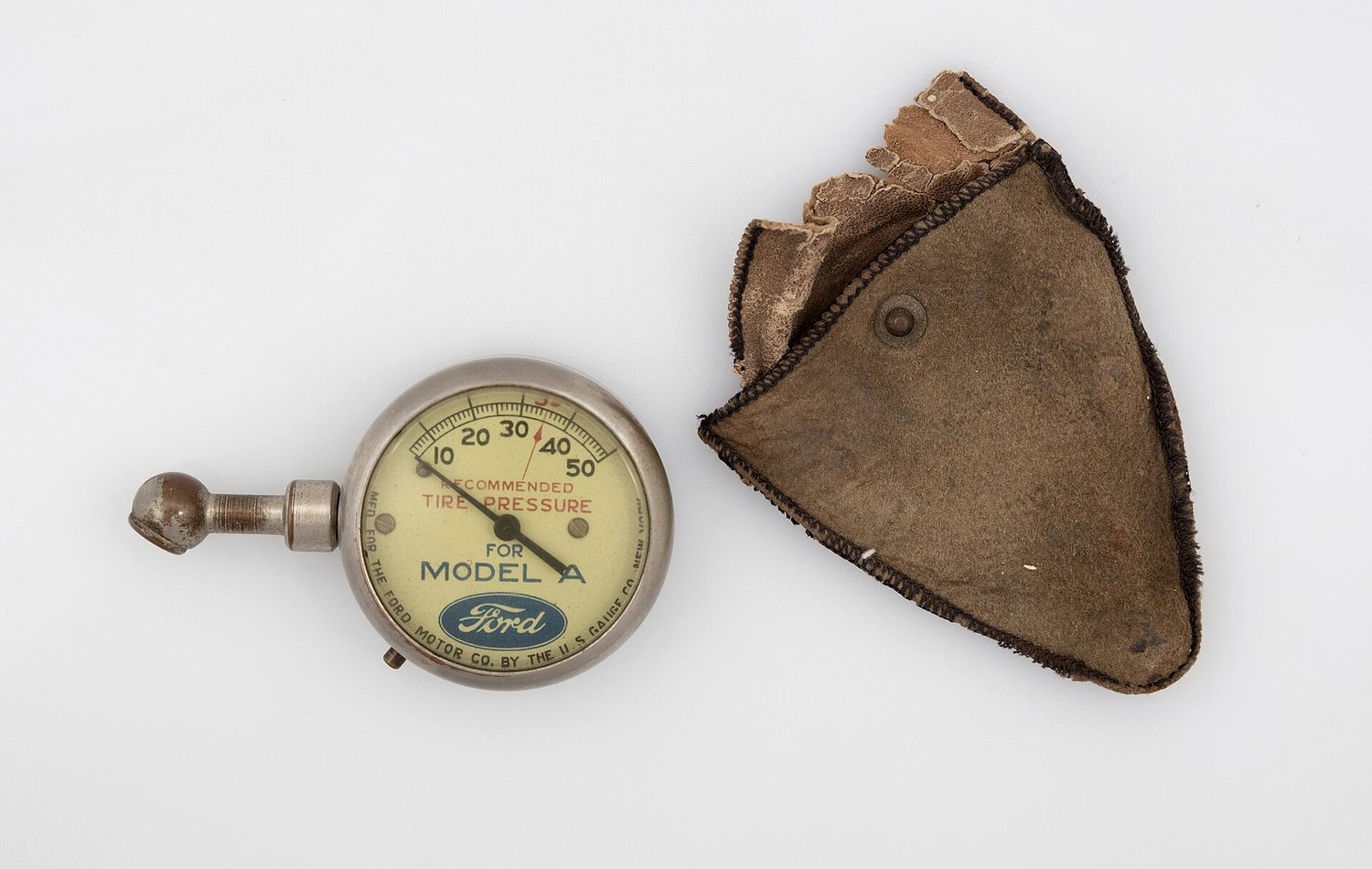
What belongs in this section
Maintenance & Safety is not a repair manual and it does not replace a qualified technician. It is a buying route for products a driver may keep in a garage, boot or trunk so routine checks are easier to do. We focus on clear limits because maintenance products are often marketed as fixes when they are really monitoring or prevention tools.
The test for inclusion is simple: does the item help a driver check, maintain, store or prepare the car with fewer assumptions? A tire inflator should have a readable gauge and hose that reaches the valve. A battery maintainer should match the battery type and explain storage limits. A jump starter should be treated as emergency equipment, not a substitute for diagnosing why a battery keeps failing.
Tire pressure and inflation
Gauge readability, hose length, inflation rate and valve access matter more than a bright plastic case.
Battery storage
Maintainers, chargers and jump packs need chemistry compatibility and clear safety instructions.
Visibility items
Wiper blades, rain repellents and glass cleaners are judged by when they should and should not be used.
Emergency kits
A kit should match weather, trip distance and local driving conditions rather than a generic checklist.
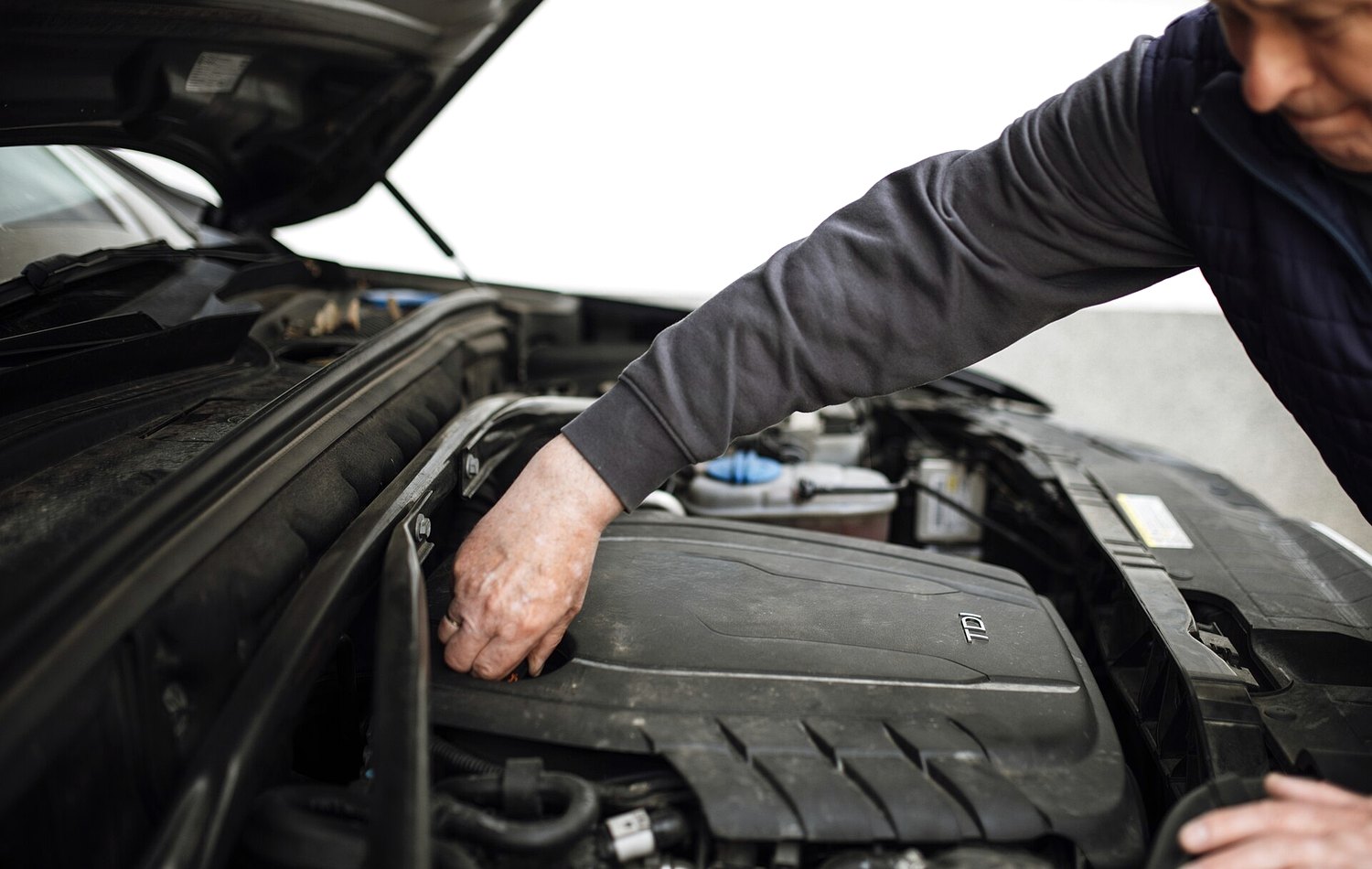
Safety limits we keep visible
We do not tell readers that a product can solve a fault code, revive a failing battery, repair brake problems or make a damaged tire safe. Those claims require diagnosis. Our pages point readers toward owner manuals, product labels and safety agencies when the decision could affect road safety.
For US safety context, readers can consult the NHTSA. For maintenance context, driver organisations and manufacturer owner manuals are better than viral shortcuts. A product page should make the limit clear: when to use it, when to stop, and when a professional inspection is the more responsible choice.
- Do not use a tire inflator to avoid checking for punctures or sidewall damage.
- Do not use a jump starter repeatedly without finding the battery or charging fault.
- Do not treat an OBD2 code reader as a diagnosis by itself.
- Do not apply rain repellent to surfaces not named on the label.
Start with a maintenance route
Questions this hub will not answer
Is this section mechanical advice?
No. It helps readers choose maintenance products and understand limits. Repair decisions should follow the owner manual and qualified diagnosis.
Do all cars need a battery maintainer?
No. It is most useful for cars that sit, seasonal vehicles or low-mileage drivers with compatible batteries.
Should every driver carry a jump starter?
It depends on climate, trip pattern and storage discipline. A flat jump pack is just extra clutter.