Tire inflator and pressure gauge buying guide
How to choose pressure tools that build a habit instead of staying buried in the boot.
Short answer
Buy a gauge you can read clearly and an inflator that fits your power source, hose reach and storage space. The habit matters more than the gadget.
How to read this guide
Tyre and tire care is about cold pressure, tread, sidewall condition and a tool you trust enough to use. A gauge that is hard to read will not build a habit.
Pressure work should be calm and repeatable, not a panic before a motorway trip. Keep notes, compare against the placard and replace suspect tools.
A specialist product can be worth buying when the surface is sensitive or the job repeats often. The mistake is buying a specialist bottle because the shelf looks more professional with it there.
A general product can be enough when the surface is forgiving and the routine is simple. The label still matters, because a normal interior or wheel cleaner can be wrong for screens, raw trim or delicate finishes.
Storage changes the value of a product. A towel that dries properly, a sprayer that can be rinsed and a charger that can be checked easily will get used more safely than gear hidden behind a stack of boxes.
The most useful buying decision is often the one that removes clutter. If two products do the same job, keep the clearer label, safer surface guidance and easier maintenance routine.
Buying criteria
Use these checks before a product earns shelf space.
Job fit
Name the exact job before comparing products or accessories.
Surface safety
Check paint, plastics, screens, leather, rubber and wheels before use.
Storage and shelf life
Avoid products that need storage conditions you cannot provide.
Value after three uses
Ask whether the product still saves time or risk after normal repeated use.
Practical tradeoffs
Mistakes to avoid
- Buying a second product before recording why the first one failed.
- Ignoring the label and using a chemical on the wrong surface.
- Mixing paint towels, wheel towels and interior towels.
- Trusting a marketing claim more than the vehicle manual or product instructions.
Setup and maintenance notes
Pressure habit notes
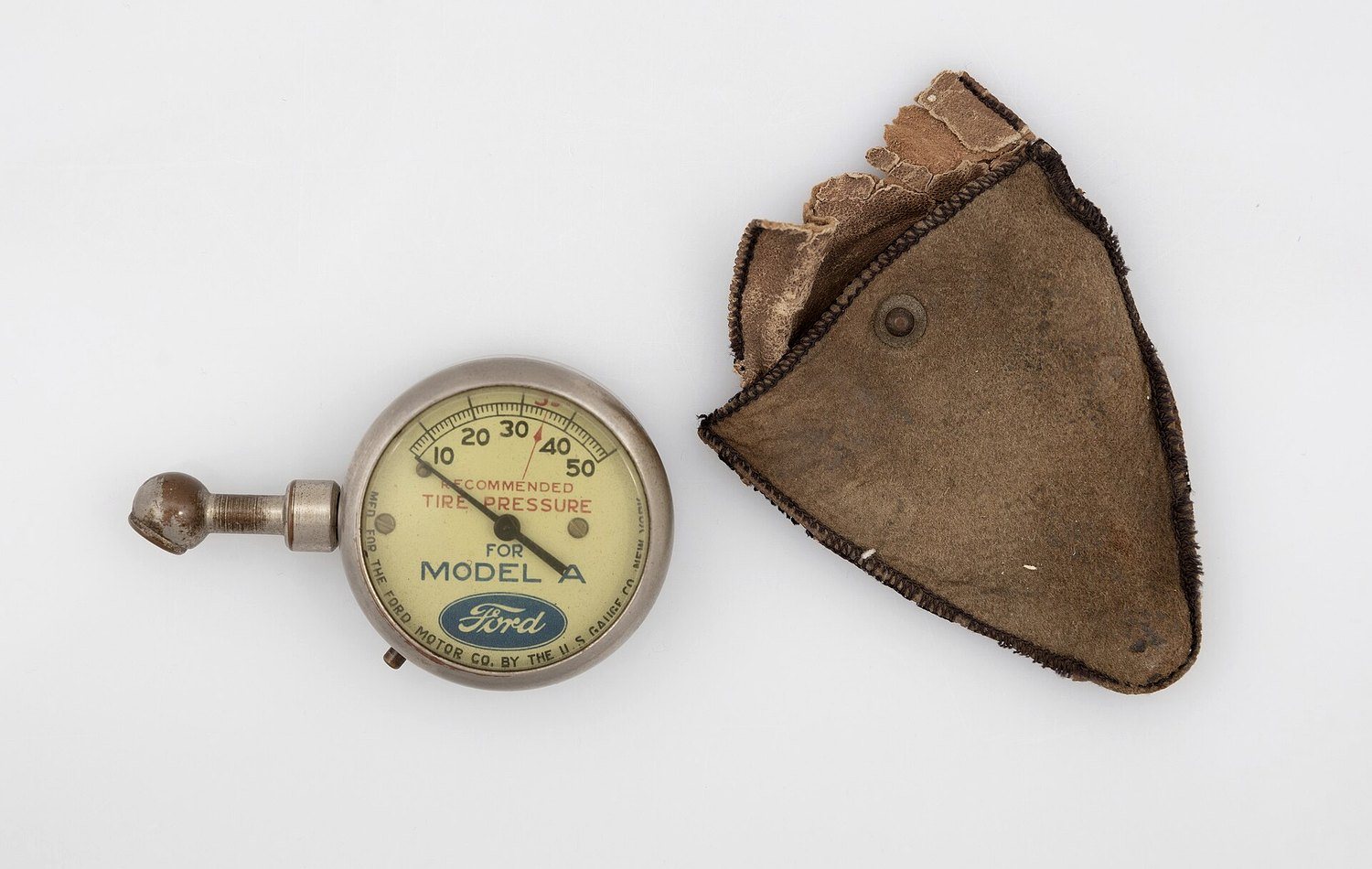
The best pressure tool is the one you use when the tyres are cold and you are not rushed. A gauge needs a clear display, a seal that does not leak air while you read it, and a shape that fits your wheels. Some wheels make bulky chucks awkward. Some valve stems sit behind covers or tight spokes. If the tool is annoying on your own car, it will stay in the boot until a warning light appears.
For inflators, check power source, hose reach and heat behavior. A 12V inflator may be convenient, but the cable has to reach every wheel, and the plug has to suit the car. Battery-powered units are portable, but they must be charged and stored within their limits. Preset shutoff can help, yet you should still verify with a separate gauge if accuracy matters to you. Treat the door placard and manual as the starting point, not a number copied from the tyre sidewall.
Pressure work is also a note-taking habit. Record the expected cold pressures, the date, and any tyre that repeatedly loses air. If one corner changes faster than the others, the product decision may be less important than finding a puncture, valve issue or wheel problem. A compact pressure kit can save time only when it makes those patterns easier to notice.
Final buying check
Keep the pressure kit where it is easy to reach, not under the heaviest boot load. If the tool uses batteries, check charge before seasonal trips. If it uses a 12V socket, test it at home before relying on it at night or in rain. A pressure gauge or inflator is safety gear only when the owner knows where it is, how it connects and what number to aim for.
Useful external references
For disclosure context, read the FTC guidance on endorsements and reviews. For tyre safety context, see NHTSA tire safety information. For maintenance timing context, see the AAA maintenance checklist.
Pressure tools need to build a habit
A tire inflator is useful only if it makes pressure checks easier to repeat. Check hose length, chuck style, gauge readability and power source before looking at headline inflation speed. A small unit that reaches all four tires without dragging across paint may be better than a faster unit with a short hose. For UK and US drivers who switch between PSI and bar, a clear display and manual reset matter more than extra modes.
Use the gauge as the reference point. Many inflators are close enough for topping up, but a separate gauge can help confirm readings when tires are cold. Store the valve caps where they cannot roll under the car, and replace caps that no longer seal cleanly. Do not use an inflator to ignore slow leaks, sidewall damage or a tire that repeatedly loses pressure. Those are inspection problems, not accessory problems.
Pressure habits beat feature lists
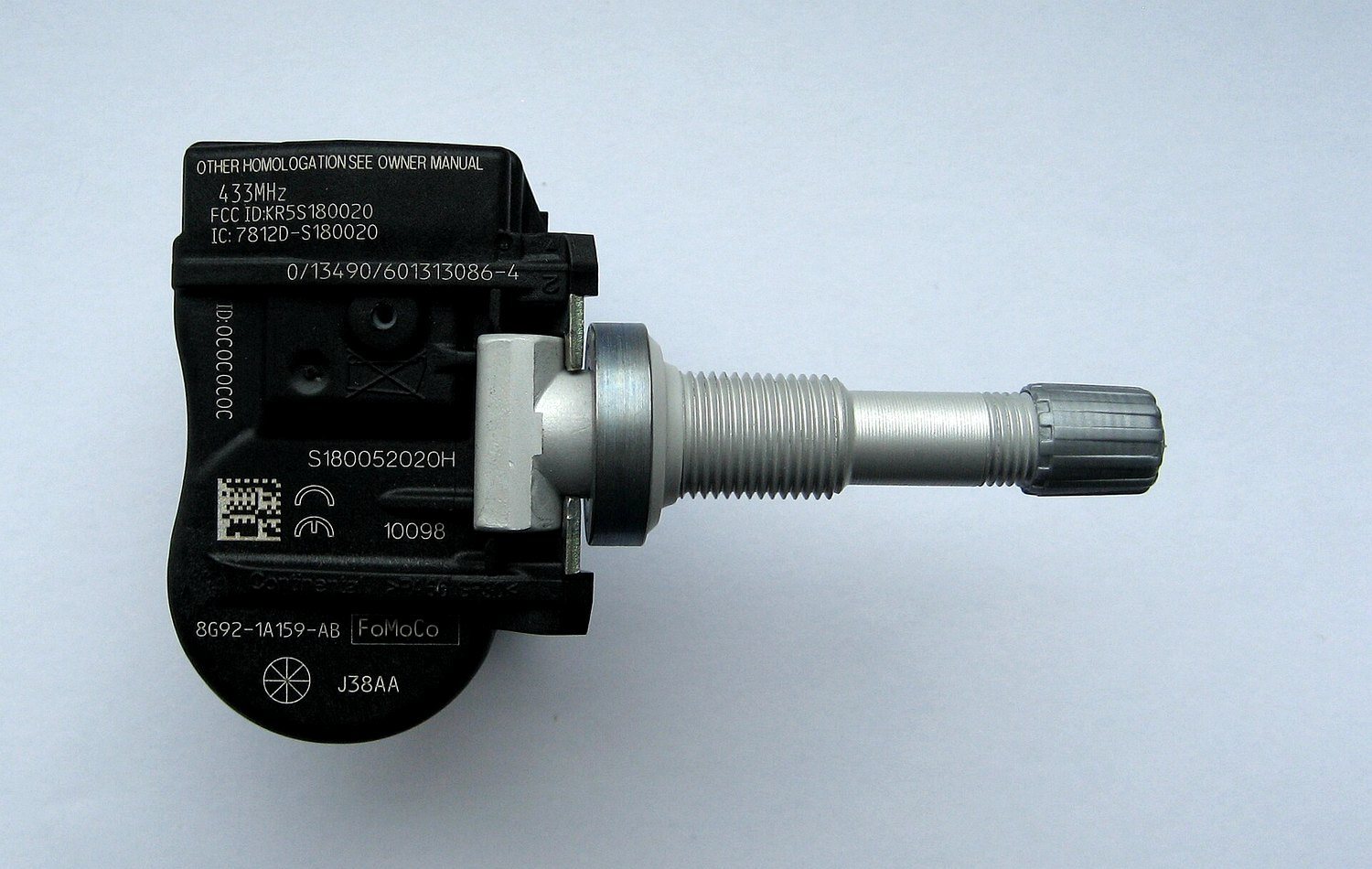
The best pressure tool is the one that makes checking tyres routine. A bright display helps at night, but the chuck, hose length and bleed valve decide whether the reading is easy to repeat. Keep the gauge where it is used, not in a drawer behind detailing bottles. Check pressures when tyres are cold when possible, record the placard value and do not rely only on TPMS warnings. A small inflator can be enough for top-ups, but it should not be treated as a substitute for inspecting tread, sidewalls and slow leaks.
FAQ
How should a beginner start?
Start with one job, one surface and one small set of tools. Add products only when you can explain the gap.
Are expensive products always safer?
No. Price does not replace label clarity, surface fit or a careful routine.
Should I trust exact scores?
Only if the scoring method is clearly explained. Car Care File avoids fake precision and explains criteria instead.