Dash cam buying checklist for commuters and family cars
Coverage, storage, heat tolerance and installation questions before buying a dash cam.
Quick commuter decision
Prioritize reliable recording, useful field of view, heat tolerance, easy footage retrieval and safe power setup before paying for extra features.
How to read this guide
Battery and electronics products should be matched to the vehicle manual, parking pattern and climate. Overbuying can be as unhelpful as underbuying if the device is too complex to use correctly.
For cars that sit, the key question is repeatability. The equipment should be easy to connect, easy to check and safe to store near the car.
A specialist product can be worth buying when the surface is sensitive or the job repeats often. The mistake is buying a specialist bottle because the shelf looks more professional with it there.
A general product can be enough when the surface is forgiving and the routine is simple. The label still matters, because a normal interior or wheel cleaner can be wrong for screens, raw trim or delicate finishes.
Storage changes the value of a product. A towel that dries properly, a sprayer that can be rinsed and a charger that can be checked easily will get used more safely than gear hidden behind a stack of boxes.
The most useful buying decision is often the one that removes clutter. If two products do the same job, keep the clearer label, safer surface guidance and easier maintenance routine.
Camera checks before buying
Use these checks before a product earns shelf space.
Job fit
Name the exact job before comparing products or accessories.
Surface safety
Check paint, plastics, screens, leather, rubber and wheels before use.
Storage and shelf life
Avoid products that need storage conditions you cannot provide.
Value after three uses
Ask whether the product still saves time or risk after normal repeated use.
Resolution, storage and mounting tradeoffs
Dash cam mistakes that create clutter
- Buying a second product before recording why the first one failed.
- Ignoring the label and using a chemical on the wrong surface.
- Mixing paint towels, wheel towels and interior towels.
- Trusting a marketing claim more than the vehicle manual or product instructions.
Card, cable and mount care
Dash cam setup notes for real commutes
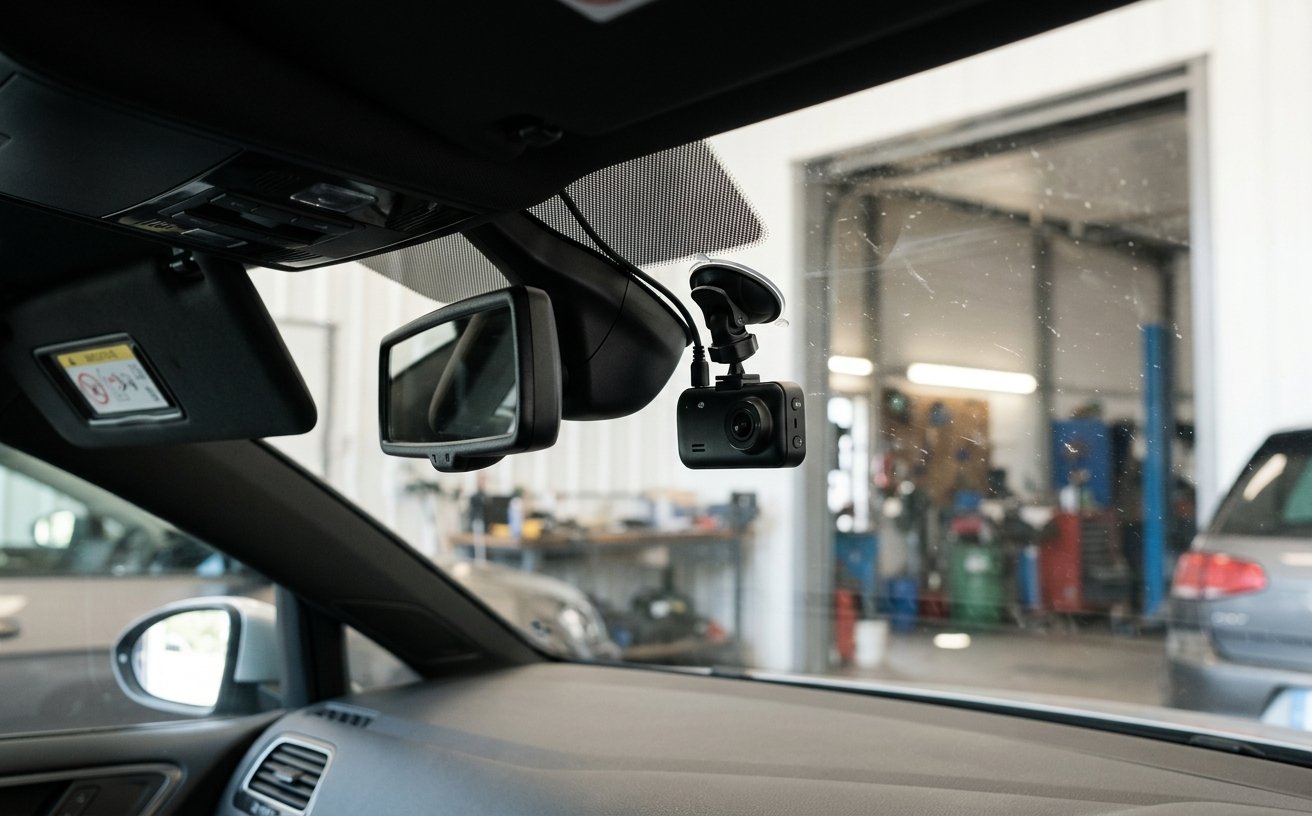
A dash cam is only useful if it records reliably when the drive becomes boring. Start with image coverage, storage handling and heat tolerance. A wide field of view can help capture context, but an extremely wide view can make plates and details smaller. Resolution claims also need context. Lens quality, compression, low-light handling and windshield glare all affect the file you actually get after an incident.
Think through power before you buy. A simple 12V plug can be easy to install and remove, but it may leave a visible cable. A hardwire kit can look cleaner and support parking mode, but it must be matched to the car and installed correctly. Some vehicles are sensitive to battery drain, and parking mode settings should not be treated as a free security system. If you are not comfortable with fuse-box work, budget for proper installation or keep the setup simple.
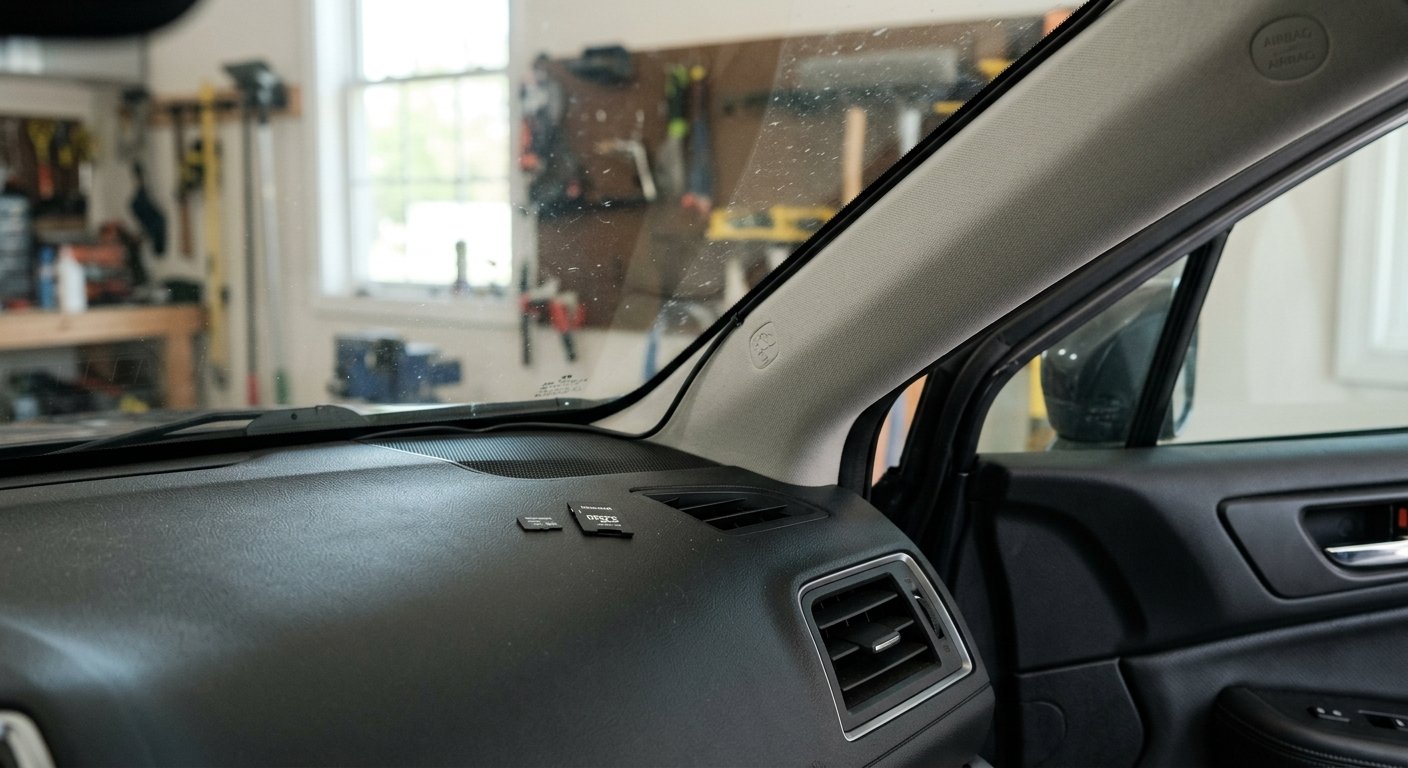
Check local rules for windshield placement, audio recording and privacy expectations, especially when crossing states or countries. For family cars, make sure another driver can save footage without hunting through menus. Memory cards should be high-endurance types where the manufacturer recommends them, and old cards should be replaced before they fail silently. A clear timestamp and an easy phone or computer export process are worth more than novelty features.
Final buying check
Before purchase, read the manual for how files are locked, exported and overwritten. A dash cam that records decent video but hides important clips behind a poor app can be frustrating when you need footage quickly. Also check whether the camera starts reliably after short stops, because commuting includes fuel stations, school runs, shops and other pauses where a weak startup routine can miss context.
Useful external references
For disclosure context, read the FTC guidance on endorsements and reviews. For tyre safety context, see NHTSA tire safety information. For maintenance timing context, see the AAA maintenance checklist.
Installation limits affect the right dash cam
A dash cam choice is partly a camera choice and partly an installation choice. A commuter may only need front coverage, reliable loop recording and a mount that does not block the view. A family car may need cabin-friendly cable routing, voice alerts that can be muted and easy footage access after an incident. Parking mode sounds useful, but it changes the power question because the camera may draw from the battery while the car is off.
Check heat rating, memory card requirements and how footage is saved before comparing resolution claims. High resolution is wasted if plates are unreadable at night or the app makes clips hard to export. A hardwire kit can look neat but may not suit leased vehicles, warranty concerns or owners uncomfortable with fuse boxes. If using a 12V socket, confirm the cable path does not interfere with airbags, pedals or driver visibility.
Installation reality for commuters
A commuter dash cam should be boring once installed. If the cable crosses the driver view, dangles near controls or blocks sensors behind the mirror, the neat spec sheet does not matter. Think about where footage will be reviewed, how memory cards are formatted and whether parking mode needs a hardwire kit. A family car may also need simple privacy rules so passengers know when audio is recorded. The best purchase is usually a camera with clear menus, reliable mounting and easy card access rather than the highest headline resolution.
FAQ
How should a beginner start?
Start with one job, one surface and one small set of tools. Add products only when you can explain the gap.
Are expensive products always safer?
No. Price does not replace label clarity, surface fit or a careful routine.
Should I trust exact scores?
Only if the scoring method is clearly explained. Car Care File avoids fake precision and explains criteria instead.