Tool bench
Detailing tools that earn shelf space.
A finished detailing kit is not the biggest kit. It is the set of towels, brushes, sprayers and accessories that match the car, the driveway, the weather and the time a driver will actually spend.
How this hub is organised
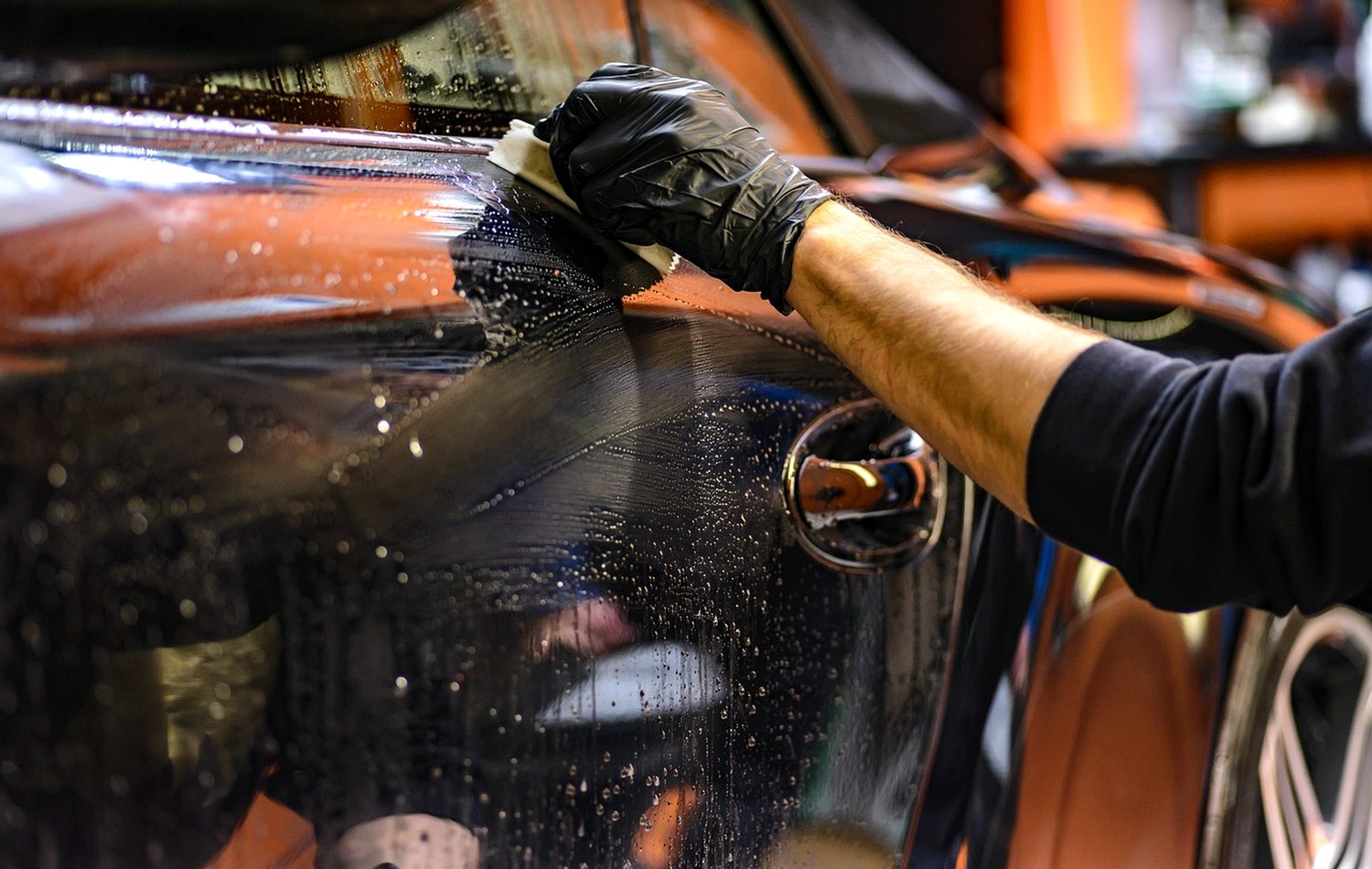
Detailing Tools is the workbench section of Car Care File. We use it to separate useful accessories from gadgets that only make sense in a large garage. A pressure washer, foam cannon, wheel brush or towel bundle can be helpful, but only when it fits the wash method and does not add more maintenance than it saves.
We do not present these pages as lab tests or mechanic endorsements. The focus is practical fit: whether the tool is safe for common vehicle surfaces, easy to store, clear on its label, and simple enough for a regular owner to use without damaging paint, trim, screens or wheels.
Wash contact tools
Mitt material, bucket setup, grit management and towel pile matter more than the number of pieces in a bundle.
Spray and foam setup
Foam cannons, pump sprayers and shampoo choices are checked against water access, storage and cleanup time.
Interior tools
Soft brushes, glass cloths, vacuums and cleaners are treated as surface-specific tools, not one-bottle cabin cures.
Wheel and tire tools
Wheel brushes, tire dressings and pressure tools need compatibility checks because finishes and valves vary.
Checks before a tool gets recommended
Our first question is whether a tool changes the outcome for a normal owner. If it mainly adds steps, creates a mess, or requires careful maintenance after every use, we say so. A drying towel that sheds lint, a sprayer that clogs, or a brush that is too stiff for a finish can make a routine worse.
We also look for label clarity and replacement friction. Towels need care instructions. Sprayers need seals that can be replaced. Vacuum attachments should fit the mess they claim to solve. Wheel brushes should explain where they should not be used. The best tool is often the one that is easy to rinse, dry and put away before it turns into another dirty object on the shelf.
- Start with the job and the surface before choosing a product.
- Check storage space, drying time and cleaning needs after use.
- Avoid aggressive brushes or compounds unless the product label is clear.
- Prefer replaceable consumables over sealed tools that become waste.
Start with a tool route
Common mistakes
Drivers often buy a large starter kit and then discover half the pieces do not match their car or space. A better approach is to buy around repeated jobs: wash contact, dry, glass, wheels, interior touch points and occasional protection. If a tool will be used twice and then stored wet, it probably does not deserve shelf space.
Do beginners need a polisher?
Usually no. A beginner should first learn safe washing, drying and surface-specific cleaning. Polishing introduces paint thickness and technique risk.
Are foam cannons required for a safe wash?
No. They can help pre-soak dirt, but a careful bucket method and good towel habits matter more.
Can one brush handle every wheel?
No. Wheel finishes, barrel depth and brake dust all change the safe choice.