Foam cannon vs pump sprayer: which setup fits your driveway?
A clear comparison for drivers choosing between pressure-washer foam and a simpler pump sprayer.
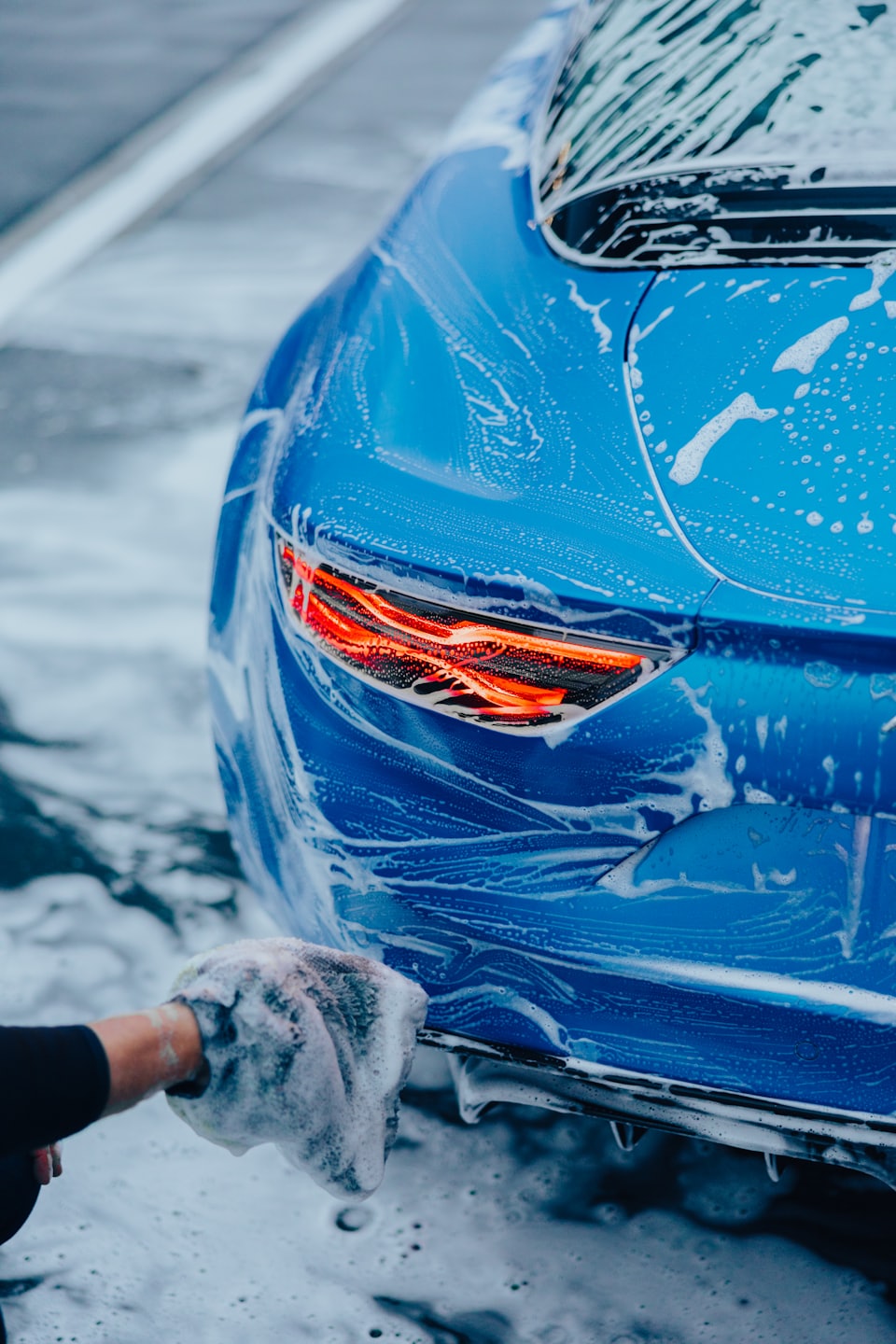
Quick driveway decision
Choose a foam cannon if you already use a pressure washer and have space to rinse, clean and store it. Choose a pump sprayer if setup time and portability matter more.
How to read this guide
A home wash setup has to fit the driveway, water access and how often the car is actually cleaned. A product that looks impressive in a video can become waste if it needs extra hoses, long dwell time or storage you do not have.
For paint-safe washing, the boring details matter: clean towels, separate wheel tools, enough lubrication and a drying process that does not drag grit across the finish.
A specialist product can be worth buying when the surface is sensitive or the job repeats often. The mistake is buying a specialist bottle because the shelf looks more professional with it there.
A general product can be enough when the surface is forgiving and the routine is simple. The label still matters, because a normal interior or wheel cleaner can be wrong for screens, raw trim or delicate finishes.
Storage changes the value of a product. A towel that dries properly, a sprayer that can be rinsed and a charger that can be checked easily will get used more safely than gear hidden behind a stack of boxes.
The most useful buying decision is often the one that removes clutter. If two products do the same job, keep the clearer label, safer surface guidance and easier maintenance routine.
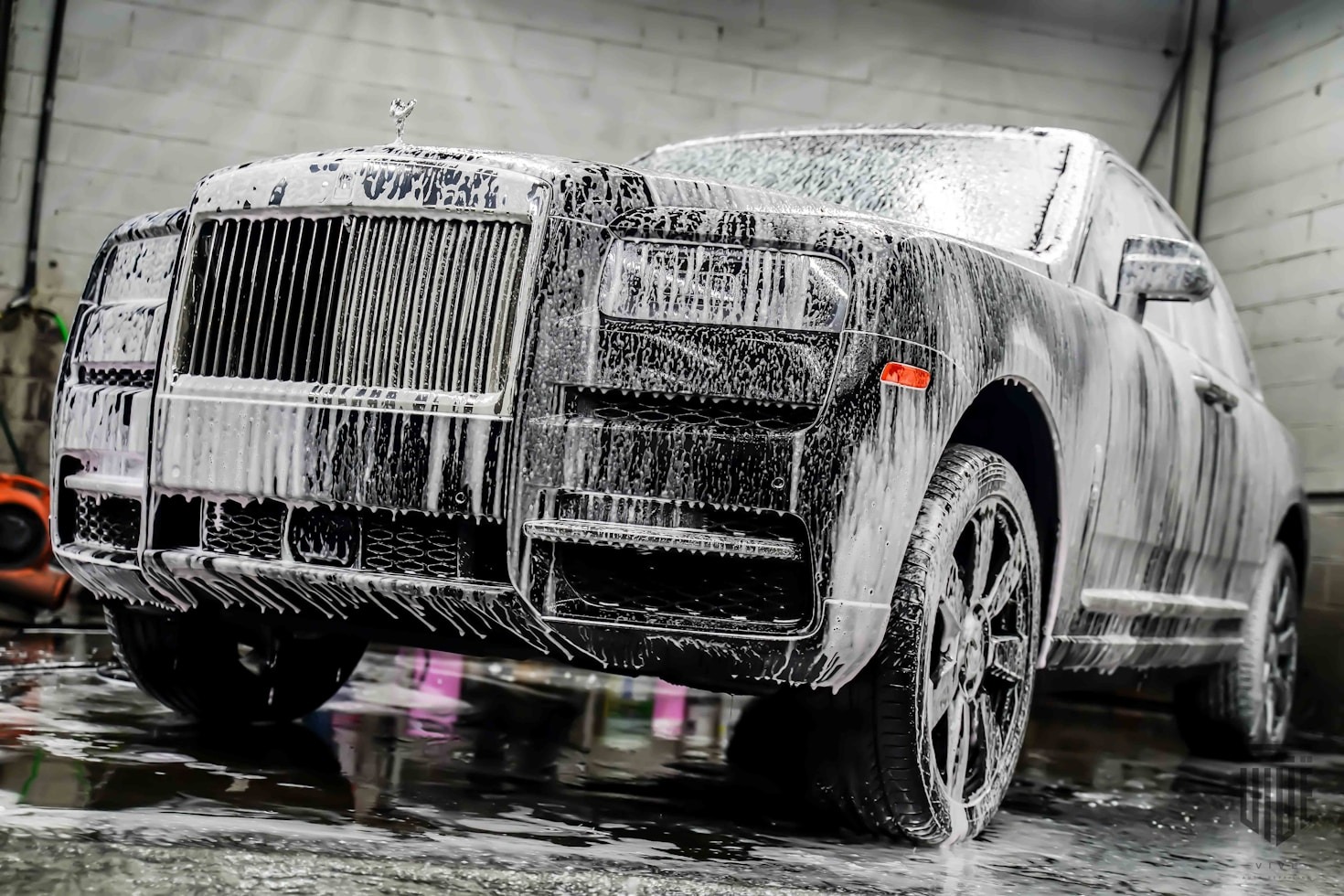
Sprayer checks before buying
Use these checks before a product earns shelf space.
Job fit
Name the exact job before comparing products or accessories.
Surface safety
Check paint, plastics, screens, leather, rubber and wheels before use.
Storage and shelf life
Avoid products that need storage conditions you cannot provide.
Value after three uses
Ask whether the product still saves time or risk after normal repeated use.
Pressure, foam and cleanup tradeoffs
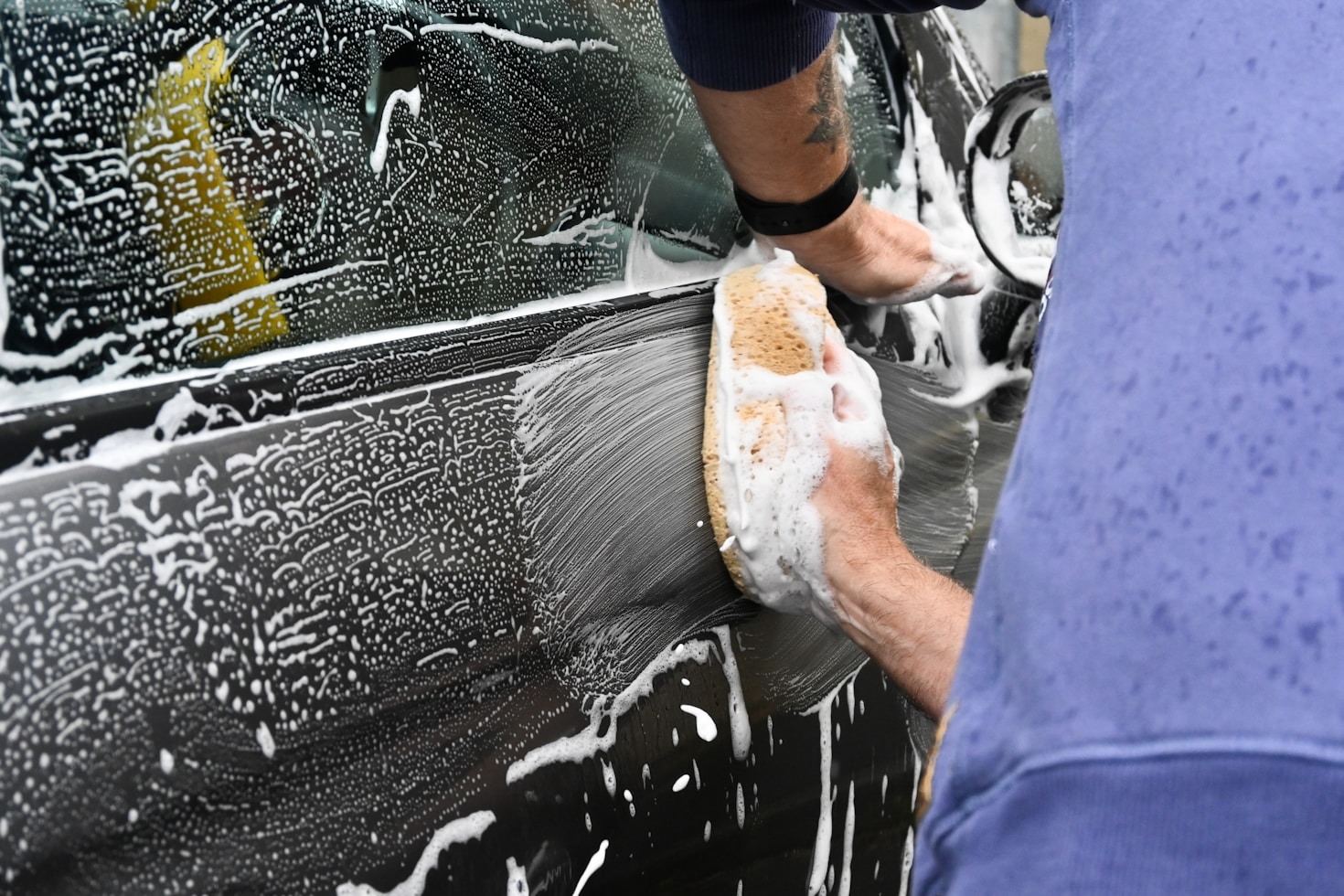
Setup mistakes that waste soap
- Buying a second product before recording why the first one failed.
- Ignoring the label and using a chemical on the wrong surface.
- Mixing paint towels, wheel towels and interior towels.
- Trusting a marketing claim more than the vehicle manual or product instructions.
Rinsing and storing sprayers
Driveway setup notes
The foam cannon looks like the obvious enthusiast choice, but it only makes sense when the rest of the wash setup already supports it. You need a pressure washer, compatible fittings, space to move the hose, a place to store the cannon and enough time to rinse the bottle after use. If the pressure washer is heavy or buried in storage, the cannon may turn a quick wash into a job you keep delaying.
A pump sprayer is less dramatic, but it can be easier to repeat. It can apply pre-wash or rinseless wash solution without dragging out a larger machine. It is useful where space is tight, where noise matters, or where you need to work around shared parking. The tradeoff is coverage and flow. You may need more passes, more pumping and closer attention to dilution.
For both tools, foam thickness is not the main measure of safety. Lubrication, dwell time, rinse quality and towel discipline matter more. Thick foam that dries on a panel can create its own problem. Thin solution used calmly in shade can be more useful than shaving-cream foam used in direct sun. Choose the setup you can rinse, clean, refill and store without skipping steps.
Final buying check
If you are undecided, price the whole setup instead of only the sprayer or cannon. Include adapters, seals, spare bottles, shampoo use, storage space and the time needed to rinse equipment after each wash. A cheaper tool that you clean correctly can beat an expensive tool that sits with old chemical in the bottle. For shared driveways or flats, also consider noise, runoff and where the hose will lie while you work.
Useful external references
For disclosure context, read the FTC guidance on endorsements and reviews. For tyre safety context, see NHTSA tire safety information. For maintenance timing context, see the AAA maintenance checklist.
Driveway fit matters more than foam thickness
A foam cannon makes sense when the pressure washer is already part of the routine and the driveway has enough room to manage hose movement. The hidden cost is not only the cannon; it is the setup time, connector matching, water runoff and cleanup after the wash. If the car is parked on a narrow street or shared drive, a pump sprayer can be the more repeatable tool because it is quick to fill, quiet to use and easier to store indoors.
Thick foam can look reassuring but it is not a scrubber. The useful question is whether the pre-wash loosens road film enough that the contact wash is safer. A pump sprayer with a rinseless pre-soak may be better for light dust, winter salt edges or apartment parking, while a cannon is better for larger panels and dirtier wheel arches. Do not use either tool to justify skipping separate mitts, wheel tools or a careful rinse.
Driveway setup decides the tool
A foam cannon makes sense when you already have a pressure washer, good rinse access and enough space to work around the car before the foam dries. A pump sprayer suits smaller driveways, apartment car parks with limited water access and pre-treating lower panels. Neither tool replaces a contact wash when road film is bonded to paint. The better purchase is the one that fits your water supply, storage space and cleanup routine. If setup takes longer than the wash, the tool will probably stay on the shelf.
FAQ
How should a beginner start?
Start with one job, one surface and one small set of tools. Add products only when you can explain the gap.
Are expensive products always safer?
No. Price does not replace label clarity, surface fit or a careful routine.
Should I trust exact scores?
Only if the scoring method is clearly explained. Car Care File avoids fake precision and explains criteria instead.