Scratch remover, polish and compound: what each one is actually for
A plain guide to abrasives, expectations and when a mark is not a beginner job.
Short answer
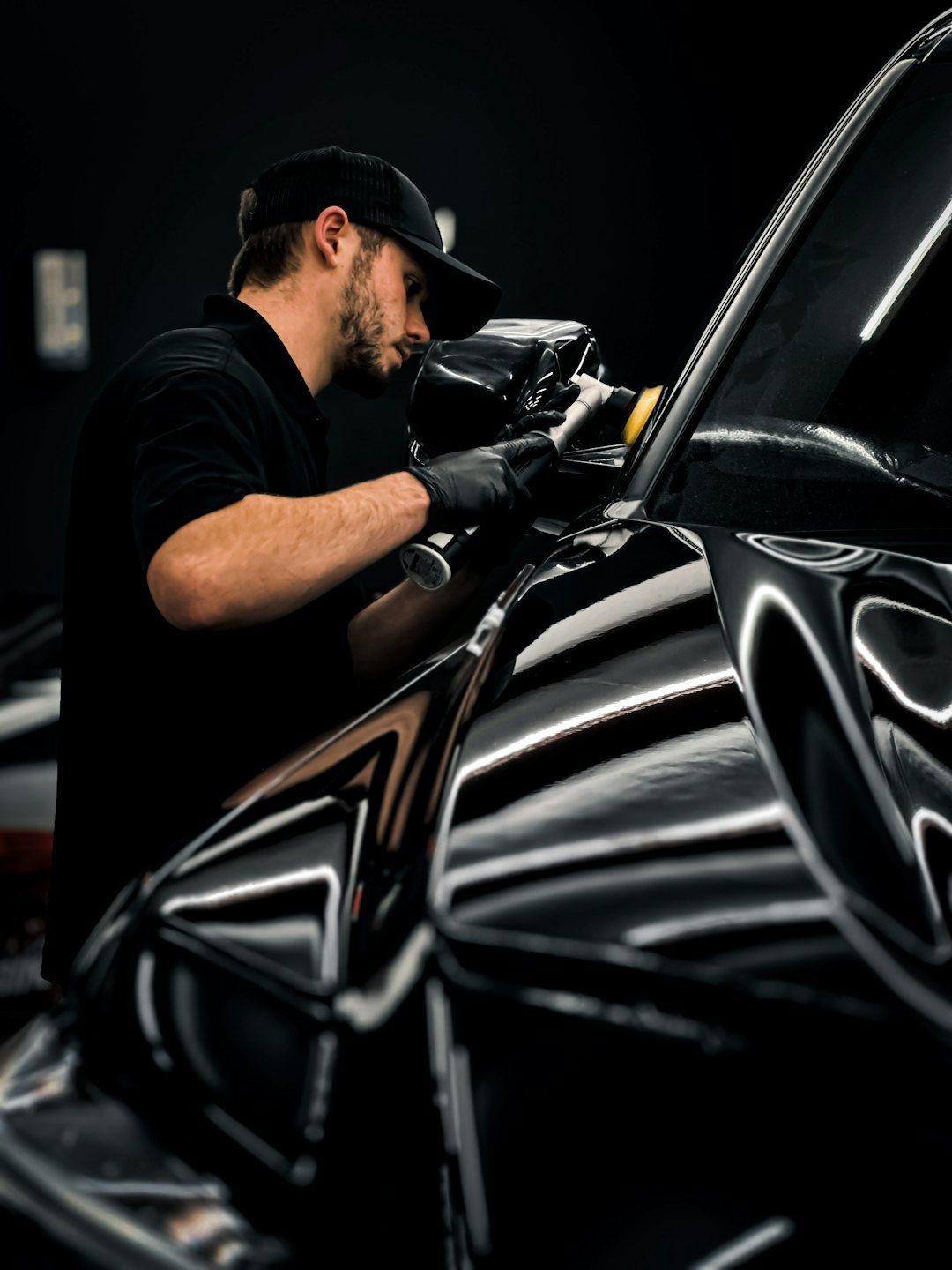
Scratch remover, polish and compound are abrasive products with different cutting levels. If a fingernail catches the mark, a beginner product may not be the answer.
How to read this guide
A home wash setup has to fit the driveway, water access and how often the car is actually cleaned. A product that looks impressive in a video can become waste if it needs extra hoses, long dwell time or storage you do not have.
For paint-safe washing, the boring details matter: clean towels, separate wheel tools, enough lubrication and a drying process that does not drag grit across the finish.
A specialist product can be worth buying when the surface is sensitive or the job repeats often. The mistake is buying a specialist bottle because the shelf looks more professional with it there.
A general product can be enough when the surface is forgiving and the routine is simple. The label still matters, because a normal interior or wheel cleaner can be wrong for screens, raw trim or delicate finishes.
Storage changes the value of a product. A towel that dries properly, a sprayer that can be rinsed and a charger that can be checked easily will get used more safely than gear hidden behind a stack of boxes.
The most useful buying decision is often the one that removes clutter. If two products do the same job, keep the clearer label, safer surface guidance and easier maintenance routine.
Buying criteria
Use these checks before a product earns shelf space.
Job fit
Name the exact job before comparing products or accessories.
Surface safety
Check paint, plastics, screens, leather, rubber and wheels before use.
Storage and shelf life
Avoid products that need storage conditions you cannot provide.
Value after three uses
Ask whether the product still saves time or risk after normal repeated use.
Practical tradeoffs
Mistakes to avoid
- Buying a second product before recording why the first one failed.
- Ignoring the label and using a chemical on the wrong surface.
- Mixing paint towels, wheel towels and interior towels.
- Trusting a marketing claim more than the vehicle manual or product instructions.
Setup and maintenance notes
Paint correction caution notes
Scratch remover, polish and compound are not magic erasers. They remove or refine tiny amounts of clear coat or oxidized surface material. That is why they can improve the look of light marks, and also why they can create trouble when used too aggressively. If a fingernail catches the scratch, or if you see primer, metal or plastic underneath, a beginner hand product is unlikely to solve the issue safely.
Work on the smallest area first. Clean the surface, use a soft applicator, follow the label and stop to inspect under good light. Edges, body lines and repainted panels can be riskier because paint thickness may be lower or less predictable. Tape sensitive trim if the product can stain it. If you see color on the towel while working on clear-coated paint, stop and reassess.
A polish can improve clarity when the defect is shallow. A compound cuts more aggressively and asks for more control afterward. A scratch remover may sit somewhere between those ideas depending on the product. The name on the bottle is less important than the abrasive behavior, the application method and your willingness to stop before chasing perfection. For a daily driver, a visible but safe improvement can be a better result than thin paint.
Useful external references
For disclosure context, read the FTC guidance on endorsements and reviews. For tyre safety context, see NHTSA tire safety information. For maintenance timing context, see the AAA maintenance checklist.
Reading the mark before choosing an abrasive
A scratch product should be chosen after looking at the mark in clean light, not while the panel is still dusty. If a fingernail catches sharply, the defect may be through the clear coat and a beginner compound will not make it disappear safely. If the mark is transfer, haze or a shallow wash mark, a mild polish and a soft applicator may be enough. Start with the least aggressive option because every abrasive removes some material, even when the label sounds gentle.
The buying mistake is treating scratch remover, polish and compound as three strengths of the same promise. A scratch remover may hide light marks with fillers, a polish refines haze, and a compound cuts faster but needs more control. Check whether the product is intended for hand use or machine use, whether it stains trim, and whether it needs a follow-up protection step. Never chase a perfect reflection on a daily driver if the panel is thin, hot or freshly painted.
When not to reach for compound
Compound is the last abrasive step, not the default answer for every mark. If a fingernail catches the scratch, a bottle sold as scratch remover may only round the edge and make the mark look cleaner from a distance. If the mark sits in transferred rubber or paint, a milder cleaner or polish can be enough. Start with the smallest area, keep the pad clean and stop if the finish gets warm or hazy. The safer purchase is often a matched pad, clean microfiber and clear instructions rather than the strongest liquid on the shelf.
FAQ
How should a beginner start?
Start with one job, one surface and one small set of tools. Add products only when you can explain the gap.
Are expensive products always safer?
No. Price does not replace label clarity, surface fit or a careful routine.
Should I trust exact scores?
Only if the scoring method is clearly explained. Car Care File avoids fake precision and explains criteria instead.